
How a Healthy Diet Reduces the Risk of Heart Disease
Heart disease is still the leading cause of death worldwide, but here’s the good news — what you eat every single day has an enormous impact on whether your heart stays strong or starts to struggle. The connection between diet and heart health is one of the most well-researched areas in nutrition science, and the findings are genuinely encouraging.
A diet rich in whole foods works to protect your heart in several key ways:
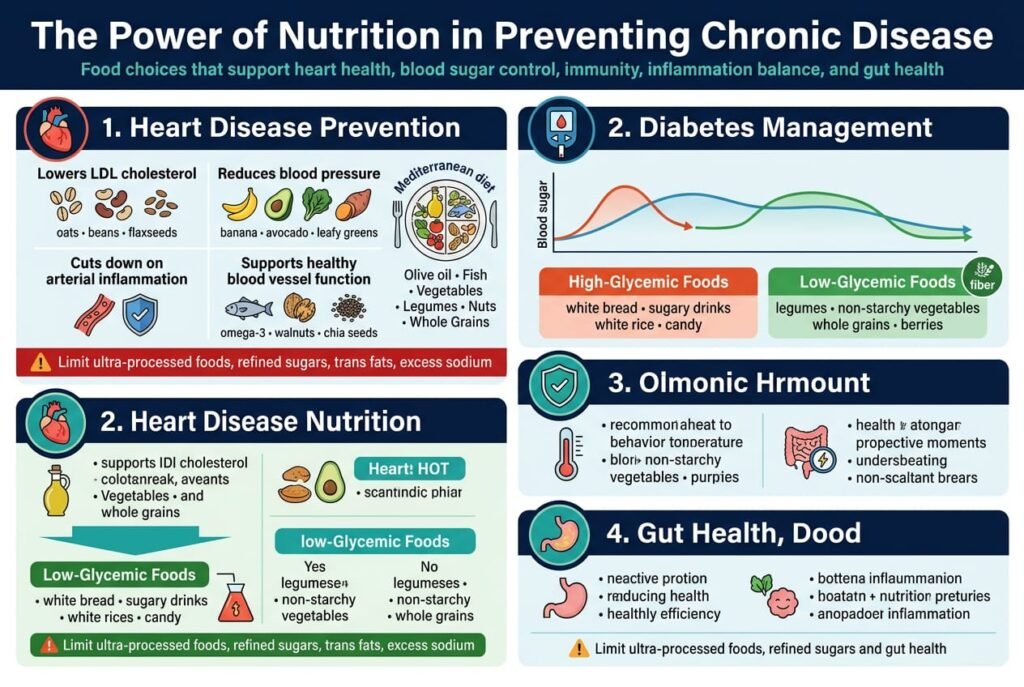
- Lowers LDL cholesterol — Soluble fiber found in oats, beans, lentils, and flaxseeds binds to cholesterol in the digestive tract and helps carry it out of the body before it can build up in your arteries.
- Reduces blood pressure — Foods high in potassium, like bananas, sweet potatoes, avocados, and leafy greens, help balance out the effects of sodium and keep blood pressure in a healthy range.
- Cuts down on arterial inflammation — Chronic inflammation damages the walls of blood vessels, making it easier for plaque to form. Eating anti-inflammatory foods actively works against this process.
- Supports healthy blood vessel function — Omega-3 fatty acids from fatty fish, walnuts, and chia seeds help keep blood vessels flexible and reduce the risk of dangerous clots.
The Mediterranean diet is probably the most studied eating pattern when it comes to heart health, and the results speak for themselves. People who follow this style of eating — lots of olive oil, fish, vegetables, legumes, nuts, and whole grains — consistently show lower rates of heart attacks and cardiovascular events. It’s not about perfection; it’s about consistently choosing foods that work with your body rather than against it.
Key Heart-Protective Foods to Add to Your Plate
| Food | Heart Health Benefit |
| Fatty fish (salmon, mackerel) | High in omega-3s, reduces triglycerides |
| Oats and barley | Soluble fiber lowers LDL cholesterol |
| Dark leafy greens | Rich in nitrates and folate, supports blood pressure |
| Berries | Loaded with antioxidants that protect blood vessel walls |
| Olive oil | Monounsaturated fats reduce bad cholesterol |
| Nuts (especially walnuts) | Omega-3s, fiber, and plant sterols support heart function |
| Legumes | Fiber and protein with minimal saturated fat |
| Dark chocolate (70%+) | Flavanols improve blood flow and lower blood pressure |
On the flip side, diets high in ultra-processed foods, refined sugars, trans fats, and excess sodium are strongly linked to higher rates of heart disease. Cutting back on processed meats, fast food, and sugary drinks — even just gradually — makes a measurable difference over time.
The Link Between Nutrition and Diabetes Management
Type 2 diabetes has reached near-epidemic levels globally, but diet sits at the absolute center of both prevention and management. Blood sugar control is the core challenge with diabetes, and what you eat directly determines how stable or unstable those blood sugar levels stay throughout the day.
How Food Affects Blood Sugar
When you eat carbohydrates, your body breaks them down into glucose, which enters the bloodstream. Your pancreas then releases insulin to help move that glucose into cells for energy. In people with type 2 diabetes or insulin resistance, this process doesn’t work efficiently — cells don’t respond well to insulin, so blood sugar stays elevated longer than it should.
The type and quality of carbohydrates you eat makes a massive difference here:
- High-glycemic foods (white bread, sugary drinks, white rice, candy) cause a rapid spike in blood sugar and put tremendous stress on the insulin system.
- Low-glycemic foods (legumes, non-starchy vegetables, whole grains, berries) digest more slowly, causing a gradual and much more manageable rise in blood sugar.
- Fiber slows down carbohydrate digestion significantly, which is why beans, vegetables, and whole grains are so valuable for blood sugar management.
Nutrients That Play a Key Role in Diabetes Prevention
- Magnesium — Found in dark leafy greens, nuts, seeds, and dark chocolate. Low magnesium levels are consistently associated with a higher risk of insulin resistance.
- Chromium — Helps enhance insulin sensitivity. You’ll find it in broccoli, green beans, whole grains, and eggs.
- Protein — Including adequate protein at meals slows gastric emptying and blunts the blood sugar response from carbohydrates.
- Healthy fats — Monounsaturated and polyunsaturated fats from avocado, olive oil, and nuts improve insulin sensitivity over time.
Research consistently shows that diets emphasizing whole, minimally processed foods — especially those rich in fiber, healthy fats, and lean protein — can not only help manage existing diabetes but can actually reverse prediabetes in many people. The PREDIMED study and numerous clinical trials have demonstrated that dietary changes produce results comparable to medication for many individuals in the early stages of insulin resistance.
For people already living with diabetes, meal timing and food combinations also matter. Pairing carbohydrates with protein, fat, or fiber at every meal dramatically reduces blood sugar spikes compared to eating carbs alone.
Foods That Naturally Strengthen Your Immune System
Your immune system is essentially your body’s defense department — constantly working to identify threats and neutralize them before they cause serious damage. The strength and efficiency of that system depend heavily on the nutrients you’re giving it to work with on a daily basis.
Deficiencies in specific micronutrients can significantly impair immune function, leaving you more vulnerable to infections and slower to recover when you do get sick.
Essential Nutrients for Immune Function
| Nutrient | Role in Immunity | Best Food Sources |
| Vitamin C | Stimulates production of white blood cells | Citrus fruits, bell peppers, kiwi, strawberries |
| Vitamin D | Regulates immune response, reduces inflammation | Fatty fish, egg yolks, fortified foods, sunlight |
| Zinc | Essential for immune cell development and signaling | Shellfish, pumpkin seeds, beef, chickpeas |
| Selenium | Protects immune cells from oxidative damage | Brazil nuts, tuna, sunflower seeds, eggs |
| Vitamin A | Maintains the integrity of mucous membranes (first line of defense) | Sweet potatoes, carrots, liver, leafy greens |
| Iron | Supports lymphocyte proliferation and immune response | Red meat, lentils, spinach, tofu |
| Vitamin E | Antioxidant that protects immune cells | Sunflower seeds, almonds, avocado, olive oil |
| Beta-glucans | Activates macrophages and natural killer cells | Oats, mushrooms, barley, yeast |
Beyond individual nutrients, certain whole foods have earned a genuine reputation as immune boosters:
- Garlic — Contains allicin, a compound shown to enhance the disease-fighting ability of white blood cells and reduce the severity of colds.
- Ginger — Has anti-inflammatory and antioxidant properties that support both immune response and recovery.
- Turmeric — Curcumin, its active compound, has impressive anti-inflammatory effects and supports immune cell activity.
- Fermented foods (yogurt, kefir, kimchi, sauerkraut) — Support a healthy gut microbiome, which plays a central role in immune regulation.
- Green tea — Loaded with EGCG (epigallocatechin gallate), a powerful antioxidant that enhances immune function.
- Elderberry — Some research shows elderberry extract can reduce the duration and severity of colds and flu by stimulating cytokine production.
Consistently eating a varied, colorful diet that spans the full rainbow of fruits and vegetables is one of the most practical ways to make sure you’re covering all your nutritional immune-support bases.
How Anti-Inflammatory Foods Protect Long-Term Health
Inflammation gets a bad reputation, but in the short term, it’s actually a survival mechanism. When you injure your knee or catch an infection, acute inflammation is your body’s way of rushing resources to the site to heal the damage. The problem starts when inflammation never fully switches off — this is what’s called chronic low-grade inflammation, and it’s silently driving some of the most serious diseases of our time.
Chronic inflammation is strongly linked to:
- Cardiovascular disease — Inflamed arterial walls are more susceptible to plaque buildup.
- Type 2 diabetes — Inflammatory compounds interfere with insulin signaling.
- Certain cancers — Persistent inflammation can damage DNA and promote abnormal cell growth.
- Autoimmune conditions — An overactive inflammatory response turns the immune system against the body itself.
- Neurodegenerative diseases — Brain inflammation is implicated in Alzheimer’s and Parkinson’s disease.
- Arthritis — Joint inflammation breaks down cartilage and causes chronic pain.
Diet is one of the most powerful levers you have for controlling chronic inflammation. Certain foods actively fan the flames, while others help put them out.
Foods That Drive Inflammation (Limit These)
- Refined carbohydrates (white bread, pastries, sugary cereals)
- Sugary beverages (sodas, sweetened juices, energy drinks)
- Trans fats and partially hydrogenated oils
- Excessive alcohol
- Processed meats (hot dogs, deli meats, bacon)
- Vegetable oils high in omega-6 fatty acids (corn oil, soybean oil)
- Ultra-processed snack foods
Foods That Cool Inflammation (Eat More of These)
- Berries — Anthocyanins give blueberries, cherries, and raspberries their color and their potent anti-inflammatory properties.
- Fatty fish — Omega-3 fatty acids (EPA and DHA) directly reduce the production of inflammatory molecules called cytokines and prostaglandins.
- Extra virgin olive oil — Contains oleocanthal, a compound that works similarly to ibuprofen in blocking inflammatory pathways.
- Leafy greens — Kale, spinach, and Swiss chard are packed with vitamins K, C, and E, which help neutralize inflammatory free radicals.
- Nuts — Walnuts, almonds, and other nuts contain healthy fats, vitamin E, and magnesium, all of which counter inflammatory processes.
- Tomatoes — Rich in lycopene, a potent antioxidant with proven anti-inflammatory effects.
- Spices — Turmeric, ginger, cinnamon, and rosemary all contain compounds that actively interrupt inflammatory signaling pathways in the body.
The overall pattern of eating matters more than any single food. The Mediterranean diet and the MIND diet (a hybrid of Mediterranean and DASH eating patterns) are both excellent frameworks for reducing systemic inflammation over the long term.
The Role of Gut Health in Disease Prevention
Your gut is far more than just a food processing system. It houses trillions of microorganisms — bacteria, viruses, fungi, and other microbes — collectively known as the gut microbiome. This internal ecosystem is deeply connected to your immune system, your brain, your metabolic health, and your risk of developing a wide range of chronic diseases.
When the microbiome is diverse and balanced, it does remarkable things:
- Trains and regulates the immune system
- Produces short-chain fatty acids (SCFAs) like butyrate, which nourish the gut lining and reduce inflammation
- Synthesizes certain vitamins, including vitamin K and several B vitamins
- Helps maintain the integrity of the intestinal barrier, preventing harmful substances from leaking into the bloodstream
- Breaks down dietary fiber and plant compounds into bioactive molecules that benefit multiple body systems
When the microbiome becomes imbalanced — a condition called dysbiosis — the consequences reach far beyond digestive discomfort.
Gut Dysbiosis Has Been Linked To:
- Type 2 diabetes and obesity
- Inflammatory bowel disease (Crohn’s and ulcerative colitis)
- Cardiovascular disease
- Mental health conditions (anxiety, depression)
- Autoimmune disorders
- Colorectal cancer
- Food allergies and intolerances
Diet Strategies That Support a Healthy Microbiome
Eat plenty of prebiotic foods. Prebiotics are fibers that feed beneficial gut bacteria. Top sources include:
- Garlic and onions
- Leeks and asparagus
- Bananas (especially slightly underripe)
- Jerusalem artichokes
- Chicory root
- Oats and barley
Include fermented foods regularly. These deliver live beneficial bacteria directly to the gut. A landmark Stanford study published in Cell (2021) found that eating more fermented foods over 10 weeks significantly increased microbiome diversity and reduced inflammatory markers. Best choices include:
- Plain yogurt with live cultures
- Kefir
- Kimchi and sauerkraut
- Miso and tempeh
- Kombucha (low-sugar varieties)
Prioritize dietary diversity. Research consistently shows that people who eat a wider variety of plant foods — aiming for 30+ different plants per week — have significantly more diverse microbiomes. Diversity in the microbiome correlates strongly with better overall health outcomes.
Avoid unnecessary antibiotics and ultra-processed foods. Both can cause significant disruption to the microbial community. Ultra-processed foods in particular tend to be low in fiber and high in additives that negatively shift the balance of the microbiome.
Eat enough fiber. The average adult in Western countries gets only about half the recommended daily fiber intake. Bumping that up — through vegetables, legumes, whole grains, nuts, and seeds — directly feeds the beneficial bacteria that keep the gut environment healthy.
The gut-brain axis is another fascinating dimension of gut health. Your gut and brain are in constant two-way communication through the vagus nerve and a variety of chemical signals. The microbiome produces neurotransmitters including serotonin, dopamine, and GABA — which means the health of your gut has a real, measurable impact on mood, stress response, and cognitive function. This connection between nutrition, gut health, and mental wellbeing is one of the most active areas of research in medicine right now, and the findings continue to reshape how we understand prevention and disease management.
Good information