
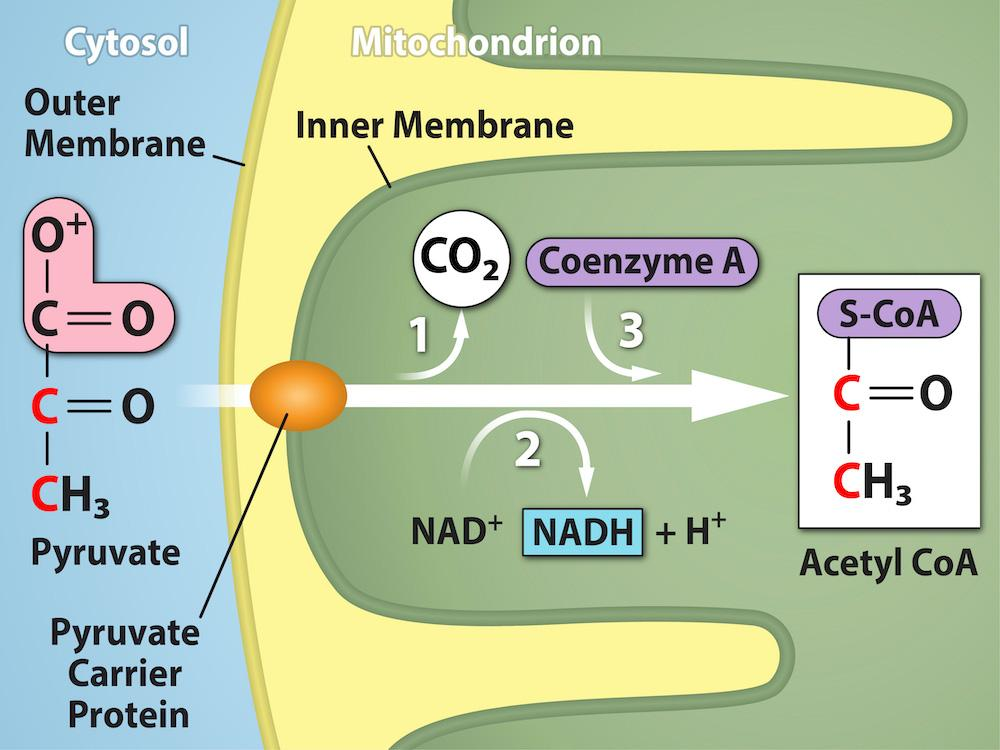
Pyruvate Oxidation Explained: Steps, Location, Enzymes, and Energy Production
Introduction: What Happens After Glycolysis? When you eat carbohydrate-rich foods, digestion breaks many carbohydrates down into glucose. Your cells can…
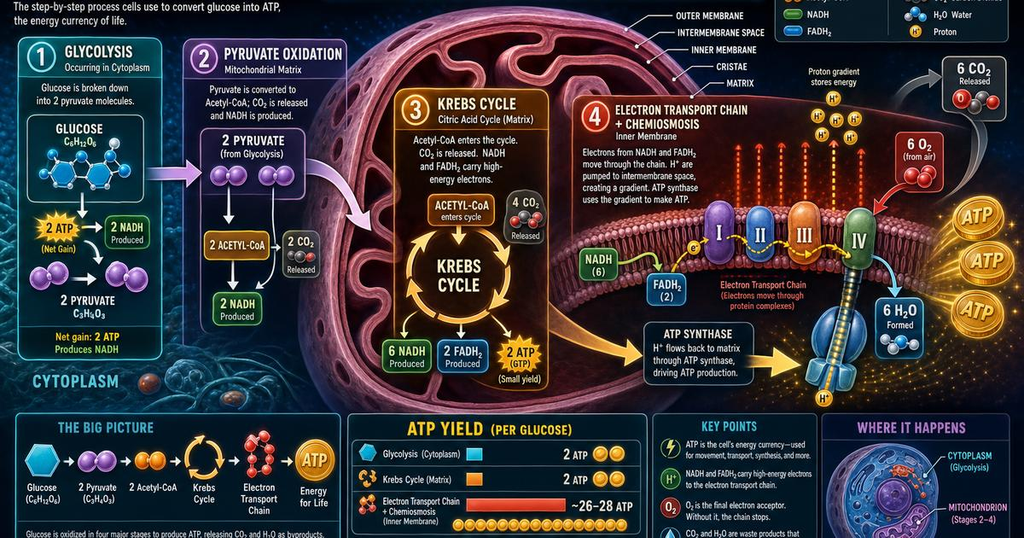
Carbohydrate Metabolism and Glycolysis: A Simple Step-by-Step Guide to Cellular Energy
Introduction Every day, we eat foods containing carbohydrates, including bread, rice, potatoes, fruits and cereals. During digestion, many of these…

Glycemic Index Explained: Low vs High GI Foods
Glycemic Index Explained: Low vs High GI Foods
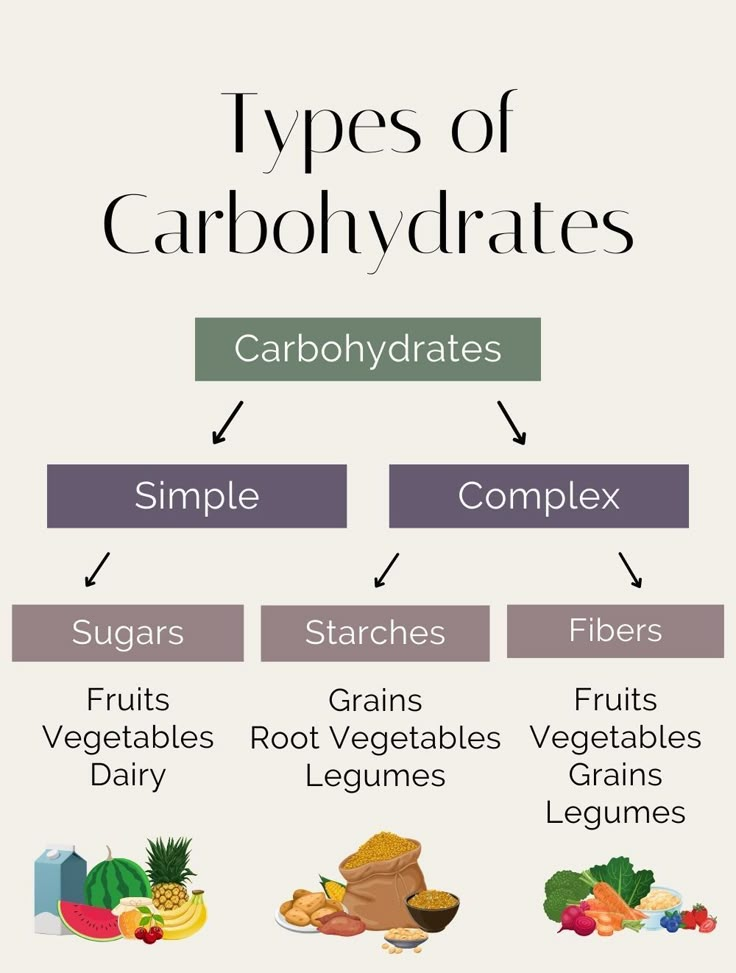
What Are Carbohydrates?
Carbohydrates, commonly called carbs, are one of the three major macronutrients in the diet, alongside protein and fat. They are…
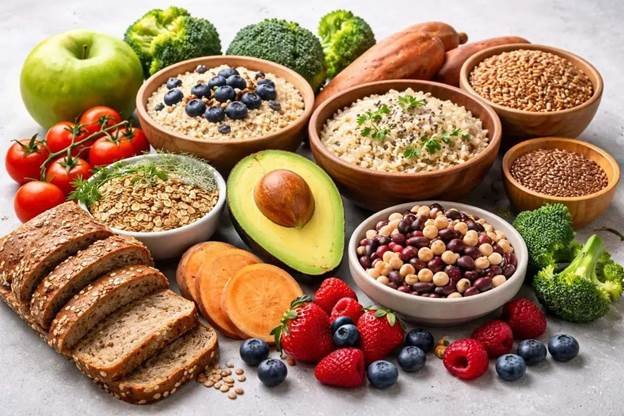
Simple vs Complex Carbohydrates: What’s the Difference?
Carbohydrates are one of the body's main sources of energy. The traditional terms “simple” and “complex” carbohydrates describe their chemical…
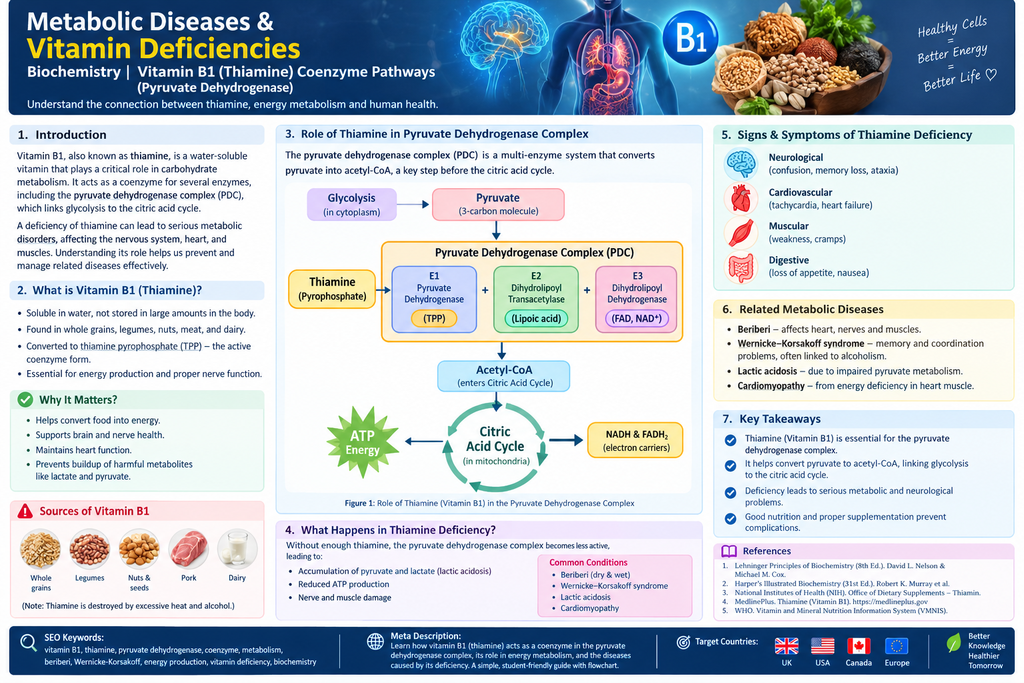
Vitamin B1 (Thiamine) Coenzyme Pathways: The Role of TPP in Pyruvate Dehydrogenase
Introduction Vitamin B1, also called thiamine, is a water-soluble B vitamin that has a central role in cellular energy metabolism…
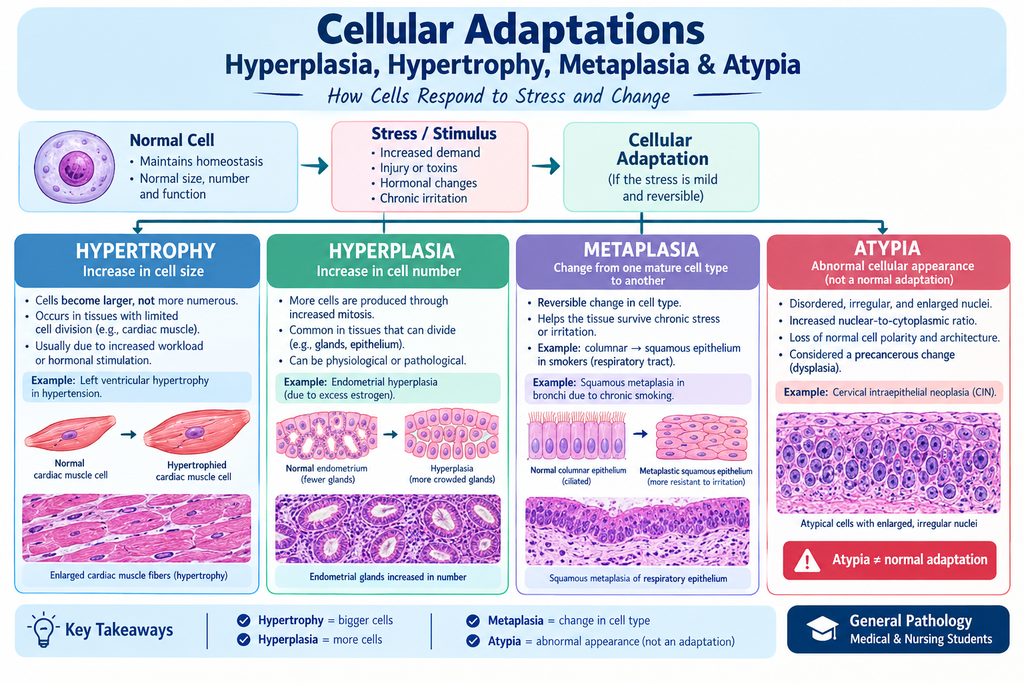
Cellular Adaptation in Pathology: Hypertrophy, Hyperplasia & Metaplasia
Cells adapt to stress in several ways before injury occurs. Learn the four major cellular adaptations—hypertrophy, hyperplasia, atrophy, and metaplasia—and…
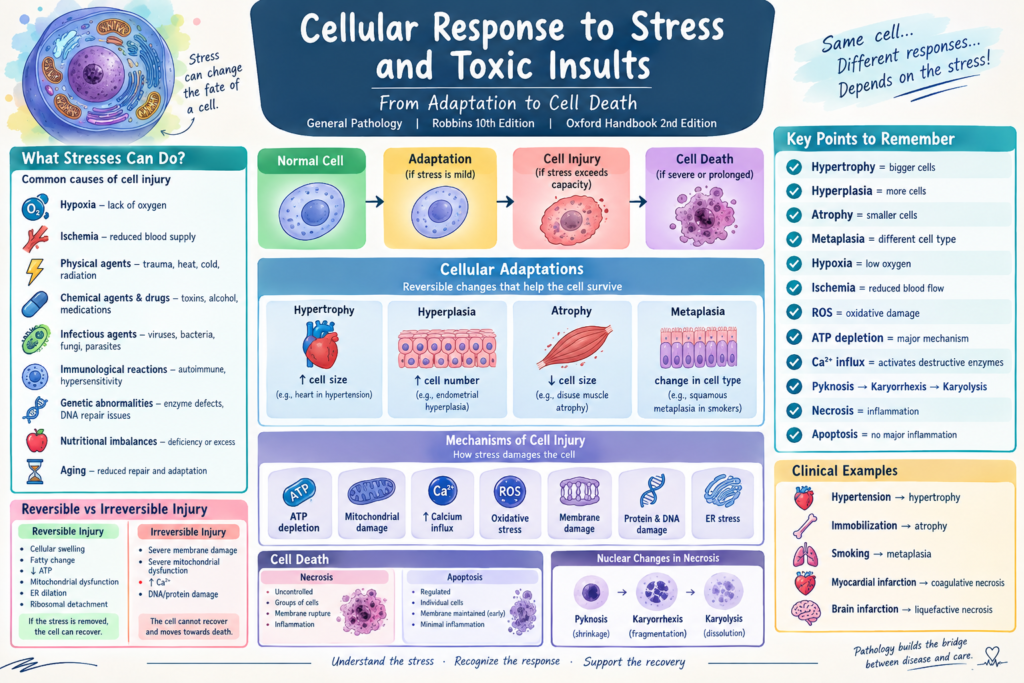
Cellular Response to Stress and Toxic Insults
Cellular Response to Stress and Toxic Insults 1. Learning Objectives After studying this topic, you should be able to: Define…
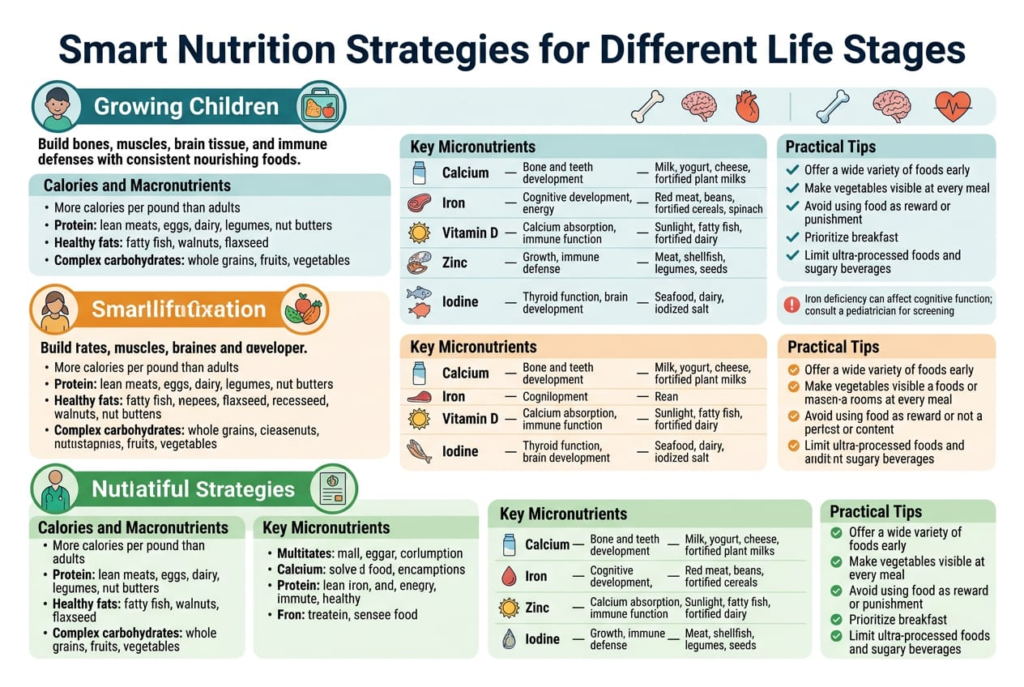
Smart Nutrition Strategies for Different Life Stages
Meeting the Nutritional Needs of Growing Children Kids are in a constant state of building — bones, muscles, brain tissue,…