
1. Introduction
The global food industry is undergoing a significant transformation, driven by the quest for sustainable, nutritious, and environmentally friendly alternatives to traditional food sources. At the heart of this shift lies the exploration and adoption of novel foods and alternative proteins, which are key to addressing the dual challenges of feeding a growing global population and mitigating the environmental impact of food production. Novel foods, as defined by the European Union (EU), encompass food items that were not significantly consumed within the EU before May 1997 (Pisanello & Caruso, 2018). This category includes new protein sources such as insects, algae, mycoproteins, and plant-derived innovations, which are increasingly recognized as viable solutions for creating a sustainable food ecosystem.
Alternative proteins have emerged as a pivotal element in this paradigm shift, offering environmentally sustainable and nutritionally adequate options. The European market has witnessed exponential growth in this sector, propelled by advancements in food science, shifting consumer preferences towards plant-based and environmentally conscious diets, and a supportive regulatory landscape (Sharma et al., 2024). This increasing demand underscores the importance of rigorous scientific evaluation and regulatory oversight to ensure that these foods meet safety, nutritional, and labeling standards. One such novel food that has gained prominence is chia seeds (Salvia hispanica L.), an ancient food with modern applications (Fernandes et al., 2021). Renowned for their exceptional nutritional value and functionality, chia seeds have become a focal point in discussions on alternative proteins. However, their inclusion in the market necessitates comprehensive assessments of their allergenicity and regulatory compliance to ensure consumer safety.
1.2. Chia as an Alternative Protein Source
Chia seeds (Salvia hispanica L.) have emerged as a promising alternative protein source, offering substantial nutritional and functional benefits (Din et al., 2021). Native to Central and South America and historically a staple food for the Aztec and Mayan civilizations, chia seeds have gained global recognition due to their dense nutrient profile and versatile applications in modern food systems. This section delves into the botanical and nutritional characteristics of chia seeds, their functional applications in food formulations, and their potential role as a sustainable protein source.
1.2.1. Morphological and Botanical Characteristics
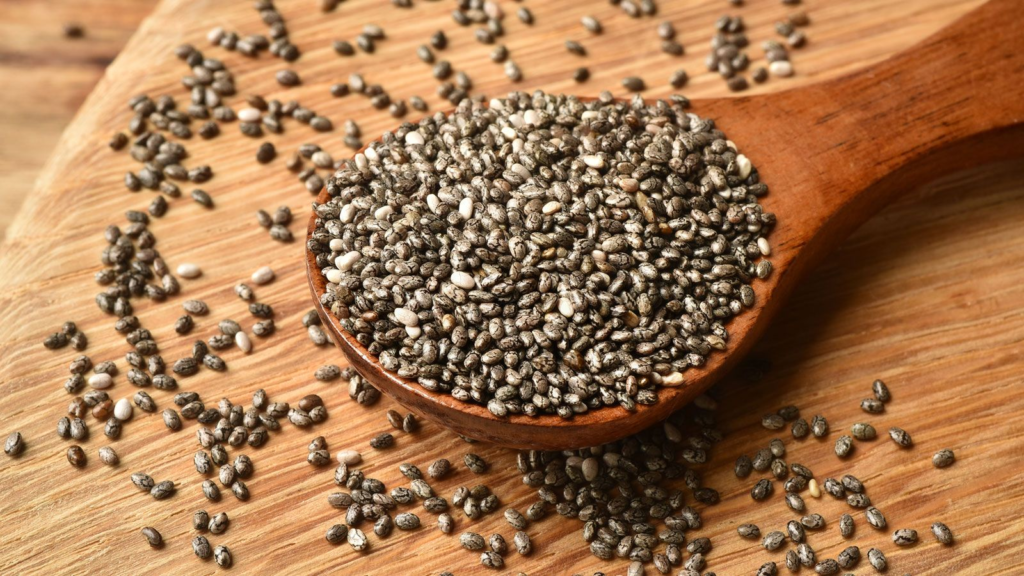
Chia seeds are small, oval-shaped seeds measuring about 1-2 millimeters in diameter. They vary in color, ranging from white to gray to black, and exhibit a smooth, shiny surface (Mishima, 2023a). These seeds are hydrophilic, meaning they absorb water to form a gel-like coating when soaked, a property that is attributed to their high soluble fiber content. The plant Salvia hispanica belongs to the Lamiaceae family, which also includes other aromatic plants such as mint and basil (Nazar et al., 2022).
Chia is a hardy, drought-resistant crop that thrives in well-drained soils under tropical and subtropical climates. This adaptability, combined with its relatively low environmental footprint compared to other protein sources, underscores its potential as a sustainable agricultural commodity.
1.2.2. Botanical and Nutritional Characteristics
Chia seeds are derived from Salvia hispanica, a flowering plant in the Lamiaceae family. These small, oval seeds vary in color, ranging from white to black, and are recognized for their high nutritional value. Their macronutrient composition includes approximately 15–25% protein, 30–40% carbohydrates (primarily dietary fiber), and 30–35% fats, predominantly omega-3 fatty acids (Gush et al., 2021).The protein content of chia seeds makes them particularly valuable as an alternative protein source for both general and specialized dietary needs, such as vegan and vegetarian diets.
1.2.3. Amino Acid Profile
A distinguishing feature of chia seeds is their status as a complete protein source, meaning they contain all nine essential amino acids required for human health. This characteristic is uncommon among plant-based proteins, which often lack sufficient quantities of certain amino acids, such as lysine or methionine (Mishima, 2023b). The favorable amino acid profile of chia protein supports muscle repair, metabolic processes, and overall health.
1.2.4. Rich Micronutrient Composition
In addition to their macronutrient profile, chia seeds are rich in essential micronutrients. They are particularly high in calcium (631 mg/100 g), magnesium (335 mg/100 g), and phosphorus (860 mg/100 g), which are vital for bone health and metabolic functions (Ikumi et al., 2019). Furthermore, they provide significant quantities of zinc, selenium, and potassium, which contribute to immune function, antioxidant defenses, and cellular regulation.
1.2.5. Dietary Fiber and Omega-3 Content
Chia seeds are a remarkable source of dietary fiber, with soluble and insoluble fiber making up approximately 35% of their total weight. This fiber not only supports gut health by promoting the growth of beneficial bacteria but also contributes to satiety, which can aid in weight management. Additionally, chia seeds are one of the richest plant sources of alpha-linolenic acid (ALA), a key omega-3 fatty acid. ALA is associated with reduced cardiovascular disease risk, improved lipid profiles, and anti-inflammatory properties (Nadem et al., 2024a).
1.2.6. Functional Applications in Food Systems
The unique physicochemical properties of chia seeds enhance their functionality in various food formulations. These properties, combined with their nutritional benefits, make chia seeds a highly versatile ingredient in the development of alternative protein products.
1.2.6.1. Hydrophilic and Gelling Properties
Chia seeds exhibit exceptional water absorption capacity, capable of absorbing up to 12 times their weight in water. Upon hydration, the seeds form a gel-like substance due to the interaction between water and soluble dietary fiber, primarily mucilage (Capitani et al., 2012). This property is advantageous for creating texture in food products, such as puddings, smoothies, and baked goods, and serves as a natural thickening agent in gluten-free and plant-based recipes.
1.2.6.2. Neutral Flavor and Versatility
Chia seeds have a mild, nutty flavor that integrates seamlessly into diverse food products without overpowering other ingredients. This characteristic allows their use in various culinary applications, including energy bars, breakfast cereals, beverages, and dairy alternatives (e.g., plant-based yogurts and milks). Their ability to blend into both sweet and savory dishes enhances their market appeal.
1.2.6.3. Nutritional and Allergen-Free Advantages
Chia seeds are naturally gluten-free, making them suitable for individuals with celiac disease or gluten intolerance. Their high protein content and digestibility further contribute to their appeal as an alternative protein source in health-conscious diets. Additionally, their combination of omega-3 fatty acids and antioxidants, such as quercetin and chlorogenic acid, offers anti-inflammatory and cardioprotective benefits, positioning chia seeds as a functional superfood (Ixtaina et al., 2011).
1.2.6.4. Sustainability and Market Potential
The cultivation of chia seeds requires significantly fewer resources compared to traditional animal-based protein sources. They thrive in arid and semi-arid regions, requiring minimal water and chemical inputs, which contributes to their sustainability (Muñoz et al., 2021). As global demand for sustainable and plant-based protein sources continues to rise, chia seeds offer a viable solution to address these challenges. Furthermore, their long shelf life and resistance to spoilage make them an attractive option for global food markets.
Chia seeds represent an important alternative protein source with a rich nutritional profile, functional versatility, and sustainability advantages. Their complete protein status, coupled with their high fiber and omega-3 content, supports their role as a functional ingredient in modern food systems. As the demand for plant-based proteins grows, further research into optimizing chia seed processing and addressing potential allergenicity concerns will enhance their utility in meeting global dietary needs. By integrating chia seeds into innovative food products, the food industry can address consumer demands for sustainable, nutritious, and versatile protein sources.
[…] high fiber content in chia seeds also benefits digestive health by promoting regular bowel movements and supporting a healthy gut […]
[…] allergenicity of novel foods, including chia seeds (Salvia hispanica L.), is a critical factor in ensuring their safety for human consumption. Allergic reactions to food […]