
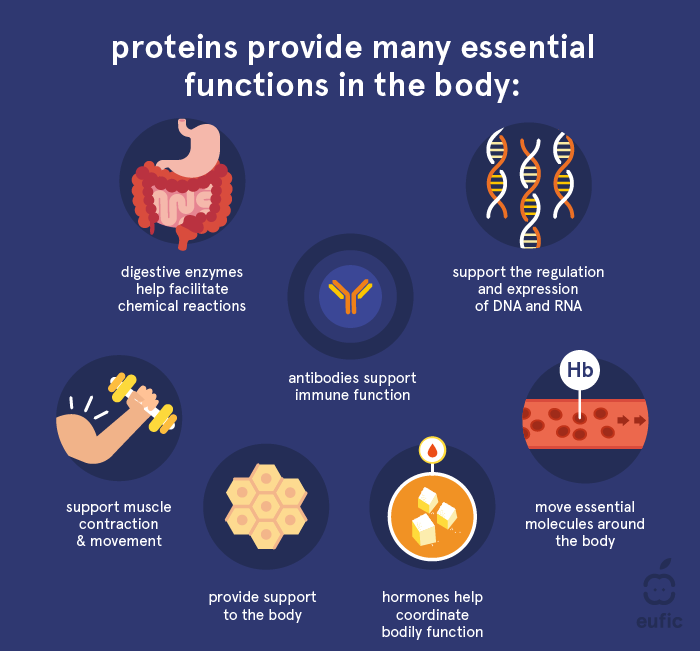
Proteins are part of every function in the human body. This means that proteins are necessary not only for making muscles and mending tissues but also for the production of hormones and enzymes. Whoever you are, getting the right percentages of protein in your diet is a sure way to be healthy. If you like to eat much protein meal or do a workout to build your muscles, the proteins always will have a big position in the prevention of the normal functioning of the body.
Let us start by explaining the following two main topics:
✔ What proteins are and how they work
✔ The different types of proteins and their functions
✔ The best sources of protein for a healthy diet
✔ Common protein myths and misconceptions
What Are Proteins?
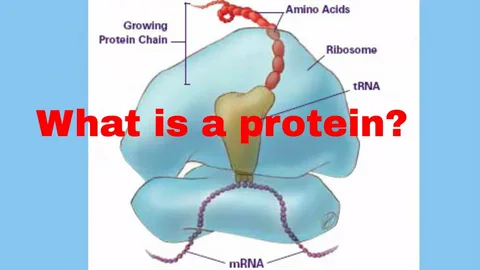
They are complex molecules having many components, which are the amino acids, often the building blocks of life. These amino acids connect in a multitude of ways to allow the body to form different proteins that perform specific tasks in the body.
There are 20 amino acids that are necessary for the human body to work properly. Some of them are naturally produced, while the others need to be taken from food—these are called essential amino acids.
Protein vs. Carbohydrates vs. Fats: What’s the Difference?
| Nutrient | Function | Energy Provided |
| Proteins | Metabolize foods, make hormones and enzymes | 4 calories per gram |
| Carbohydrates | Support blood sugar with immediate energy | 4 calories per gram |
| Fats | Energy storage, cellular function maintenance | 9 calories per gram |
Key Takeaway: The central idea that carbohydrates fuel the body quickly and fats preserve energy is objectified, whereas proteins are chiefly responsible for the growth and maintenance as well as the most important bodily functions other than energy.
How Proteins Work in the Body
1. Building and Repairing Muscles and Tissues
Proteins are responsible for:
✔ Repairing muscle fibers after exercise
✔ Healing wounds and injuries
✔ Rebuilding skin, hair, and nails
🔹 Example: After a workout, your body employs protein to restore muscle fibers and make them stronger, implying muscle growth over time.
2. Supporting the Immune System
Proteins are the blocks out of which antibodies are made, which in turn fight off infections and diseases. If your diet is low in protein, your body may not be able to protect itself efficiently by bacteria and viruses.
🔹 Example: When you get infected with a cold, your immune system responds by making proteins that help it generate antibodies that attack the virus and speed up your recovery.
3. Producing Enzymes and Hormones
Enzymes and hormones manage almost all the body processes such as digestion, and it can affect the mood.
- Enzymes are responsible for the thermolysis of food into nutrients. (Example: Amylase aids in the digestion of carbohydrates.)
- Hormones work as the, basically, messengers of the body by helping it to function, for example, to control metabolism, stress, and sleep. (Example: The pancreas produces insulin, a hormone released into the bloodstream to help move sugar from the blood to the cells.)
4. Transporting Nutrients and Oxygen
Proteins serve as delivery trucks and carry oxygen, vitamins, and minerals to different parts of the body.
🔹 Example: Hemoglobin, the protein that is in the red blood cells, carries oxygen in the lungs, and brings it
5. Providing Structural Support
Some proteins act as scaffolding that gives cells and tissues their shape. The most important protein responsible for the structure of the connective tissue is collagen, which helps form:
✔ Skin
✔ Bones
✔ Tendons
✔ Cartilage
🔹 Example: Collagen is a protein that is involved in the skin’s aging process and it also is
Best Sources of Protein
Animal-Based Protein Sources
🥩 Lean Meat (chicken, turkey, beef)
🐟 Fish (salmon, tuna, cod)
🥚 Eggs
🧀 Dairy (milk, cheese, yogurt)
They are the top known as the essential amino acids, thereby being “complete proteins.”
Plant-Based Protein Sources
🌱 Legumes (beans, lentils, chickpeas)
🥜 Nuts & Seeds (almonds, chia seeds, flaxseeds)
🍚 Whole Grains (quinoa, oats, brown rice)
🥦 Vegetables (spinach, broccoli, peas)
Plant protein is not a complete protein, but do not worry, combining them (like rice and beans) will help to cover all amino acids.
How Much Protein Do You Need?
The Recommended Daily Intake (RDI) for protein is person-specific and can be calculated depending on individual age, activity level, and health.
| Category | Protein Needed (Per Day) |
| Sedentary Adults | 0.8g per kg of body weight |
| Active Individuals | 1.2g – 2.0g per kg |
| Athletes & Bodybuilders | 1.6g – 2.2g per kg |
| Pregnant & Breastfeeding Women | 1.1g – 1.5g per kg |
🔹 Example: A 70 kg (154 lbs) adult regularly exercising needs 84g – 140g of protein each day.
Protein Myths & Misconceptions
❌ “Eating Too Much Protein is Bad for Your Kidneys”
✅ Truth: On the contrary, protein is harmful to kidneys only if they are not functioning properly. Healthy people can have a lot of protein without any risk.
❌ “You Can Only Get Protein from Meat”
✅ Truth: There are many plant-based foods, including beans, lentils, and tofu, which are the best protein sources.
❌ “More Protein Means Bigger Muscles”
✅ Truth: Adding of high protein substances to our diet won’t make muscles come out by themselves. Muscles need to be stimulated through strength training for them
Key Takeaways
✔ Proteins are made of amino acids, which are the body’s construction materials.
✔ They are highly essential for muscle repair, immune function, enzyme production,
and hormone regulation.
✔ You can get protein from both the animal and plant sources.
✔ How much protein you will need every day depends on your activity level and health goals.
✔ Protein intake increases energy production, muscle growth, and general wellbeing.
[…] life is based on amino acids. These are little particles that tie together to form the proteins that are the fundamental blocks of life, on the one hand, and are responsible for several functions […]